

-
- show all
-
Trending Now
- Nootropics Nootropics
-
- show all
-
Trending Now
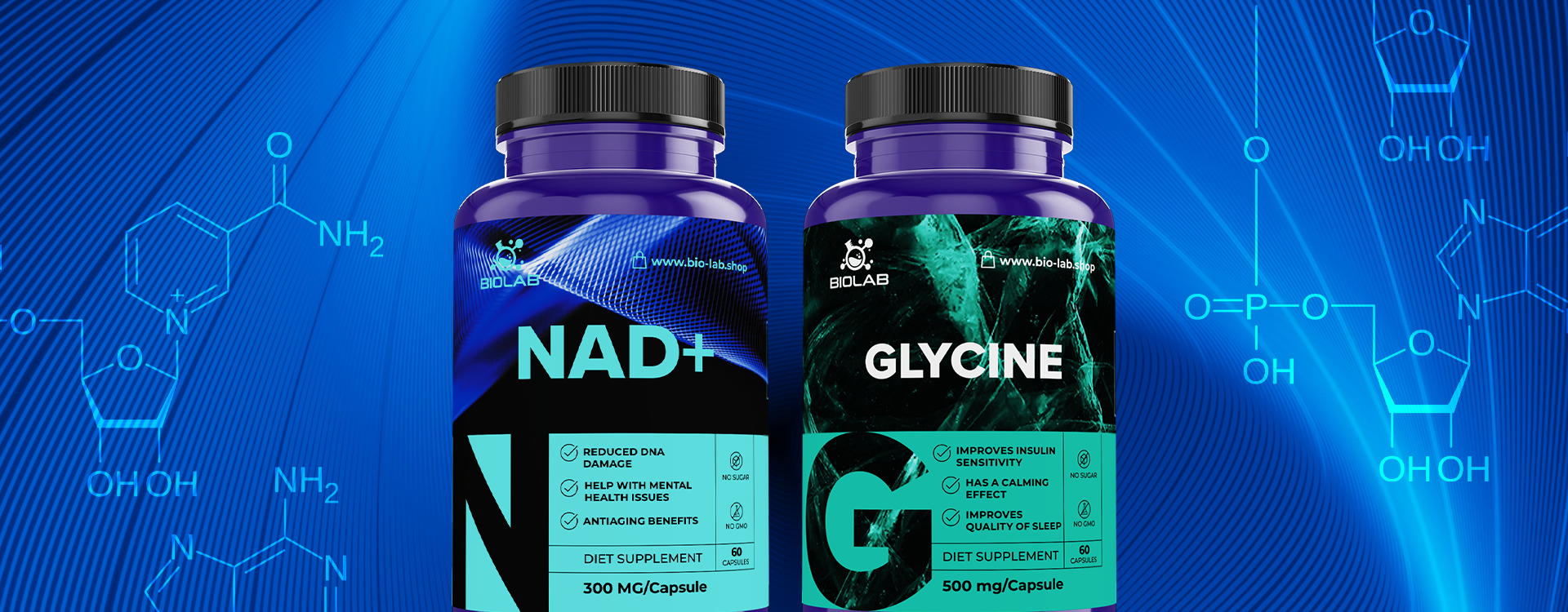
Is There a Solution for Absolute Metabolic Collapse?
Posted on: 05/28/2026It doesn't matter how many calories you consume – the deeper we delve into biology, the more significant this statement becomes. Your metabolism is ultimately determined by how efficiently your mitochondria (the energy centers of your cells) synthesize energy (ATP) from the food you take in. The flow of electrons in the mitochondria, oxygen consumption and utilization – everything depends on available fuel sources and efficient transport.
Metabolic Collapse – What Is It?
Metabolic collapse is a state in which mitochondrial energy production (ATP) becomes critically impaired due to a biochemical blockade – such as coenzyme A sequestration – leading to a systemic energy failure of the cells, even with an adequate calorie supply.
Coenzyme A (CoA) sequestration (entrapment) is the primary cause of metabolic decompensation in numerous pathologies, metabolic disorders, nutritional deficiencies, and genetic disorders. Coenzyme A is the heart of the electron transport chain – it is crucial for efficient energy production. The inability to produce energy or process metabolic waste triggers a "systemic energy failure" along with cellular stress and toxicity.
"Without energy, life would be extinguished instantly, and the cellular structure would collapse." – Albert Szent-Györgyi, Nobel Laureate
Metabolic Consequences
CoA sequestration: unesterified CoA (CoASH) is trapped within the cell through the formation of stable CoA-thioester complexes.
The accumulation of metabolites causes coupled inhibition of key enzymes, such as pantothenate kinase (PanK), effectively suppressing the cell's ability to synthesize new CoA. As a result, the cell enters a vicious cycle: not only does it lack free CoA for energy production, but it also loses the capacity to generate it anew.
This process depletes free, active CoA reserves, critically impairing key metabolic pathways such as the Krebs cycle, fatty acid β-oxidation, carbohydrate metabolism, and cellular energy production.
What can be the cause? For example, CoA sequestration triggered by BCAAs, high-fat diets, fasting, and diabetes.
The Role of Glycine in Metabolism
The question arises: how can we free this "trapped" CoA and break the vicious cycle of metabolic insufficiency? The answer may lie in a simple amino acid – glycine.
Glycine may offer a solution:
- Through a detoxification process called glycine conjugation, catalyzed by the enzyme GLYAT, glycine binds to these harmful acyl-CoA intermediates, enabling their safe removal from the body in urine, effectively freeing (recycling) the trapped CoA.
- Restoring ATP: the newly liberated CoA−SH can immediately re-enter β-oxidation and the Krebs cycle to resume normal ATP (energy) production.
Restoring Brain Energy
The effects of this biochemical "reset" are particularly felt in the organ with the highest energy demand – the brain. Restoring mitochondrial function is fundamentally important here, not only for energy but also for the structural integrity of neurons.
An abundance of free CoA restores mitochondrial function, allowing the brain to produce ATP, synthesize myelin, and remove toxins. Moreover, by safely buffering and eliminating toxic acyl-CoA intermediates, this process indirectly prevents neuronal cell damage, oxidative stress, and inflammation associated with organic acids.
Furthermore, glycine's role in the brain extends far beyond energy metabolism, creating a bridge between cellular biochemistry and neurophysiology. Glycine acts as a key inhibitory neurotransmitter in the spinal cord and brainstem. It modulates motor reflexes and plays a role in regulating responses to sensory stimuli, particularly in conditions of heightened anxiety, stress, or PTSD.
Potential Clinical Applications
It is this dual mechanism of action – metabolic and neurotransmissive – that makes glycine a promising therapeutic molecule. In conditions such as hyperekplexia, where the startle reflex is exaggerated, glycine's stabilizing influence on neurotransmission holds therapeutic significance and suggests its clinical potential in corrective therapies.
How to use glycine?
Considering the above potential, the question of safe and effective supplementation arises. In general, glycine supplements are well-tolerated, and at typical supplemental doses of 3–5 g/day, no serious adverse effects have been observed.
Even at very high doses (up to 90 g/day for several weeks!), glycine has been used in schizophrenia research without serious side effects, although gastrointestinal symptoms become more common.

In addition to supplements, it is worth remembering natural sources. Collagen is also a good source of glycine. You can read about how to effectively use collagen here.
Combining Glycine with NAD+
To maximize the metabolic benefits, it is worth considering combining glycine with another key coenzyme – NAD+.
The human body must maintain a strict glycine balance. Excess glycine is metabolized by the glycine cleavage system (GCS), which requires NAD+ and generates NADH. The resulting NADH can be used for energy (ATP) production, although it can sometimes alter metabolic pathways.
Combining with NAD+ not only supports the conversion of metabolites to glycine but also increases overall metabolic efficiency. In other words, while glycine frees up the blocked CoA, NAD+ helps with the utilization of excess glycine and sustains the energy cycle, creating a synergistic duo that supports the mitochondria.
Summary
From the mitochondrial level to the functioning of the nervous system, glycine presents a multifaceted approach to resolving the metabolic blockade caused by CoA sequestration, offering significant benefits for the central nervous system. Its inhibitory influence on motor reflexes and its potential to alleviate anxiety reinforce its therapeutic properties.
References:
Glycine N‐Acyltransferase Deficiency due to a Homozygous Nonsense Variant in the GLYAT: A Novel Inborn Error of Metabolism PMC12307128
Coenzyme a Biochemistry: From Neurodevelopment to Neurodegeneration PMC8392065
Coenzyme A in Brain Biology and Neurodegeneration PMC12839256
The glycine N-acyltransferases, GLYAT and GLYATL1, contribute to the detoxification of isovaleryl-CoA - an in-silico and in vitro validation PMC9932296
Pantothenate kinase activation relieves coenzyme A sequestration and improves mitochondrial function in mice with propionic acidemia DOI: 10.1126/scitranslmed.abf596
Functional Characterisation of Three Glycine N-Acyltransferase Variants and the Effect on Glycine Conjugation to Benzoyl–CoA PMC8003330
The Glycinergic System in Human Startle Disease: A Genetic Screening Approach PMC2854534
Glycine neurotransmitter transporters: an update PMID: 11396606
Glycinergic signaling in the human nervous system: An overview of therapeutic drug targets and clinical effects PMC6007534
Sources and implications of NADH/NAD+ redox imbalance in diabetes and its complications PMC4869616
This article is for informational purposes only and is not intended as medical advice. It should not replace professional medical assessment, diagnosis, or treatment. If you have health concerns, please consult a qualified healthcare professional.
Posted in: TipsFrom the very beginning of her cooperation with Biolabshop, Aleksandra Duba has combined professionalism with deep scientific commitment. In the past, she was a physique sports competitor, and her achievements include, among others, an Overall victory at the Olympia Amateur in Italy, which opened her way to the IFBB PRO professional league, as well as a 2nd place at the Arnold Sports Festival in Great Britain and the Polish Championship in 2022.
Her passion for sport and a healthy lifestyle has lasted over ten years. During this time, she systematically and consistently expanded her competencies in the field of dietetics, training, biohacking, and functional medicine, focusing on the practical application of scientific discoveries. Her core interests include the prevention of metabolic and hormonal diseases, anti-aging, and healthspan—the pursuit of maintaining a high quality of life and vitality in the long run.
[readmore]
What does Aleksandra do?
As part of the cooperation, she co-creates the brand's offer and systematically develops scientific competencies, sharing knowledge on her social media profile. She publishes content showing a unique approach to biological issues and materials tailored to audiences with diverse levels of expertise. She also considers the latest scientific reports on products currently in laboratory research phases, including peptides. She encourages the exploration of both basic and advanced aspects of supplementation.
Why is it worth following her progress?
From the perspective of her commitment to a personalized approach, she strives to maximize effects, placing particular emphasis on the holistic nature of well-being. The physical and mental spheres interact in synergy, which opens up infinite possibilities for development and self-improvement.
Choose proven solutions:
Related posts
-
 Which supplements for weight loss - what's the best choice?
Posted in: Tips07/12/2023Weight loss is a process whose effectiveness depends on the calorie deficit developed. The most important issue is...Read more
Which supplements for weight loss - what's the best choice?
Posted in: Tips07/12/2023Weight loss is a process whose effectiveness depends on the calorie deficit developed. The most important issue is...Read more -
 Which gym supplements to choose? - beginners guide
Posted in: Tips07/12/2023First visits to the gym are a time when our motivation is at a really high level. The vision of a sculpted physique...Read more
Which gym supplements to choose? - beginners guide
Posted in: Tips07/12/2023First visits to the gym are a time when our motivation is at a really high level. The vision of a sculpted physique...Read more -
 How do joint supplements work and when should you take them?
Posted in: Tips08/25/2023Joint pain is a common problem that affects many people, regardless of age. In many cases, it is caused by overload...Read more
How do joint supplements work and when should you take them?
Posted in: Tips08/25/2023Joint pain is a common problem that affects many people, regardless of age. In many cases, it is caused by overload...Read more -
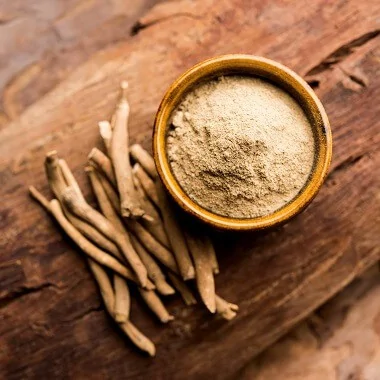 What does ashwagandha help with and how does it work?
Posted in: Tips08/25/2023Withania somnifera or Indian ginseng is a medicinal plant from regions of the Indian subcontinent. It is more...Read more
What does ashwagandha help with and how does it work?
Posted in: Tips08/25/2023Withania somnifera or Indian ginseng is a medicinal plant from regions of the Indian subcontinent. It is more...Read more -
 What are fat burners and how do they work?
Posted in: Tips08/25/2023People who want to reduce quickly are looking for various ways to speed up the entire process. One of them are fat...Read more
What are fat burners and how do they work?
Posted in: Tips08/25/2023People who want to reduce quickly are looking for various ways to speed up the entire process. One of them are fat...Read more -
 Why and when is it worth using supplements and nutrients?
Posted in: Tips08/25/2023Supplements, according to their classification, supplement the diet in case of deficiencies of specific ingredients...Read more
Why and when is it worth using supplements and nutrients?
Posted in: Tips08/25/2023Supplements, according to their classification, supplement the diet in case of deficiencies of specific ingredients...Read more -
 Are fat burners safe?
Posted in: Tips08/25/2023Fat burners are supplements that work by accelerating the reduction of fat tissue accumulated in the body. Such...Read more
Are fat burners safe?
Posted in: Tips08/25/2023Fat burners are supplements that work by accelerating the reduction of fat tissue accumulated in the body. Such...Read more -
 AAKG – facts and myths
Posted in: Tips10/26/2023AAKG, or L-arginine alpha-ketoglutarate, is a dietary supplement that is popular among physically active people...Read more
AAKG – facts and myths
Posted in: Tips10/26/2023AAKG, or L-arginine alpha-ketoglutarate, is a dietary supplement that is popular among physically active people...Read more -
 Vitamin D deficiency - symptoms and effects
Posted in: Tips10/26/2023Vitamin D3, known as cholecalciferol, is one of the key ingredients for human health. Despite its importance for our...Read more
Vitamin D deficiency - symptoms and effects
Posted in: Tips10/26/2023Vitamin D3, known as cholecalciferol, is one of the key ingredients for human health. Despite its importance for our...Read more -
 Are you supplementing smart? 10 power combos for daily well-being
Posted in: Tips07/31/2025A supplement capsule can be more than just a dose of health. It can be an impetus for deeper change. But did you know...Read more
Are you supplementing smart? 10 power combos for daily well-being
Posted in: Tips07/31/2025A supplement capsule can be more than just a dose of health. It can be an impetus for deeper change. But did you know...Read more -
 Women’s Supplementation in Focus: Q&A with a Biolab Expert
Posted in: Tips03/02/2026The end of "unisex" supplementation - discover how a woman’s cyclical biology and unique hormonal profile are setting...Read more
Women’s Supplementation in Focus: Q&A with a Biolab Expert
Posted in: Tips03/02/2026The end of "unisex" supplementation - discover how a woman’s cyclical biology and unique hormonal profile are setting...Read more -
 Allergy under control – Discover natural ways to support the protective barrier
Posted in: Tips04/30/2026As allergy season approaches, more and more people are looking for effective methods to relieve their allergy...Read more
Allergy under control – Discover natural ways to support the protective barrier
Posted in: Tips04/30/2026As allergy season approaches, more and more people are looking for effective methods to relieve their allergy...Read more
Blog navigationExplore topics
Newsletter
Get a discount on your first order

Expert in supplementation and innovative health, fitness, and beauty solutions.

Our company
Our company Kontakt
E-mail address
info@biolabshop.eu
E-mail address
office@biolabdxb.com
WhatsApp
+44 739 8562 456
Phone
+97 154 7401 919Dubai, Al Goze First, Office A03, P.O. Box 22382ⓒ 2026 Biolabshop. All rights reserved. - Nootropics Nootropics