

-
- show all
-
Trending Now
- Nootropics Nootropics
-
- show all
-
Trending Now
- Cosmetics Cosmetics
-
- show all
-
Trending Now
- New New
- UNBREAKABLE UNBREAKABLE
- Accessories Accessories
- Research Reagents Research Reagents
-
- show all
-
Peptides
- show all
-
Type
- show all
- 5-amino 1MQ
- ACTH 1-39
- Adamax
- Alarelin
- AOD-9604
- ARA 290
- ARG-BPC
- B7-33
- BPC 157
- Show more
- Bronchogen
- Cardiogen
- CJC DAC
- CJC-1295
- Cortagen
- DSIP
- Epithalon
- GC-1 SOBETIROME
- GHK-Cu
- GHRP-2
- GHRP-6
- GLP-1
- GRF
- HGH
- HGH fragment 176-191
- IGF DES
- IGF-1 LR3
- Ipamorelin
- Kisspeptin
- KPV
- L21
- Larazotide acetate
- Lipotropin
- Livagen
- LL-37
- Matrixyl
- Melanotan
- Melanotan 2
- Mots
- N-acetyl
- Oxytocin
- P-21
- Pancragen
- PEG-MGF
- Prostamax
- PT-141
- Retatrutide
- Selank
- Semax
- Sermorelin
- SLU-PP-332
- Snap 8
- TB-4 FRAG+BPC-157 ARG
- TB-500
- Thrombin peptide Tp508
- Thymalin
- Thymogen Alpha-1
- Thymosin
- Thymosin Alpha 1
- TRH
- VIP

Allergy under control – Discover natural ways to support the protective barrier
Posted on: 04/30/2026As allergy season approaches, more and more people are looking for effective methods to relieve their allergy symptoms. Dietary supplements such as quercetin, fisetin, omega acids, NAD+, and calcium are gaining importance as alternatives or complements to traditional antihistamines. In this educational section, we will take a closer look at how these supplements work, their metabolic pathways, and the ways in which they can support the body in fighting allergy symptoms.
Quercetin – The Leading Support in the Fight Against Allergies
Quercetin is a powerful natural flavonoid that acts as an antihistamine. Its anti-inflammatory action is linked to the inhibition of the NF-κB pathway and the reduction of histamine release from mast cells.
- Quercetin degrades histamine by inhibiting the activity of the enzyme histaminase and activating detoxification enzymes such as glutathione S-transferase.
Studies have shown that quercetin supplementation results in the reduction of allergic reactions, making it an interesting alternative to traditional antihistamines.
Synergy of Calcium and Vitamins ADEK
Calcium plays an essential role in the regulation of allergic reactions and the immune response. Mast cells, which are key to the pathogenesis of allergic reactions, release histamine and other inflammatory mediators in response to allergens. Calcium is necessary for the activation and degranulation of mast cells, enabling the release of histamine. The influx of calcium into mast cells is stimulated by allergens and influences the activation of calcium channels.
Vitamin D is also crucial for the immune system, as it supports the differentiation of T and B cells and acts as an immunomodulator. Vitamin D increases calcium absorption in the intestines, which can support mast cell stability and reduce their overreaction to allergens, and may also support antibody production. Studies have shown that vitamin D supplementation can significantly reduce allergy symptoms, and its deficiency is associated with the worsening of asthma symptoms and other allergic diseases.
- Vitamins A and E play important roles in the functioning of the immune system.
Vitamin A, known for its influence on the development of immune cells and the response to infections, helps maintain a healthy mucous membrane barrier, which is crucial for limiting exposure to allergens. Vitamin E acts as a powerful antioxidant, neutralising free radicals, which can reduce inflammation and improve the overall immune response.
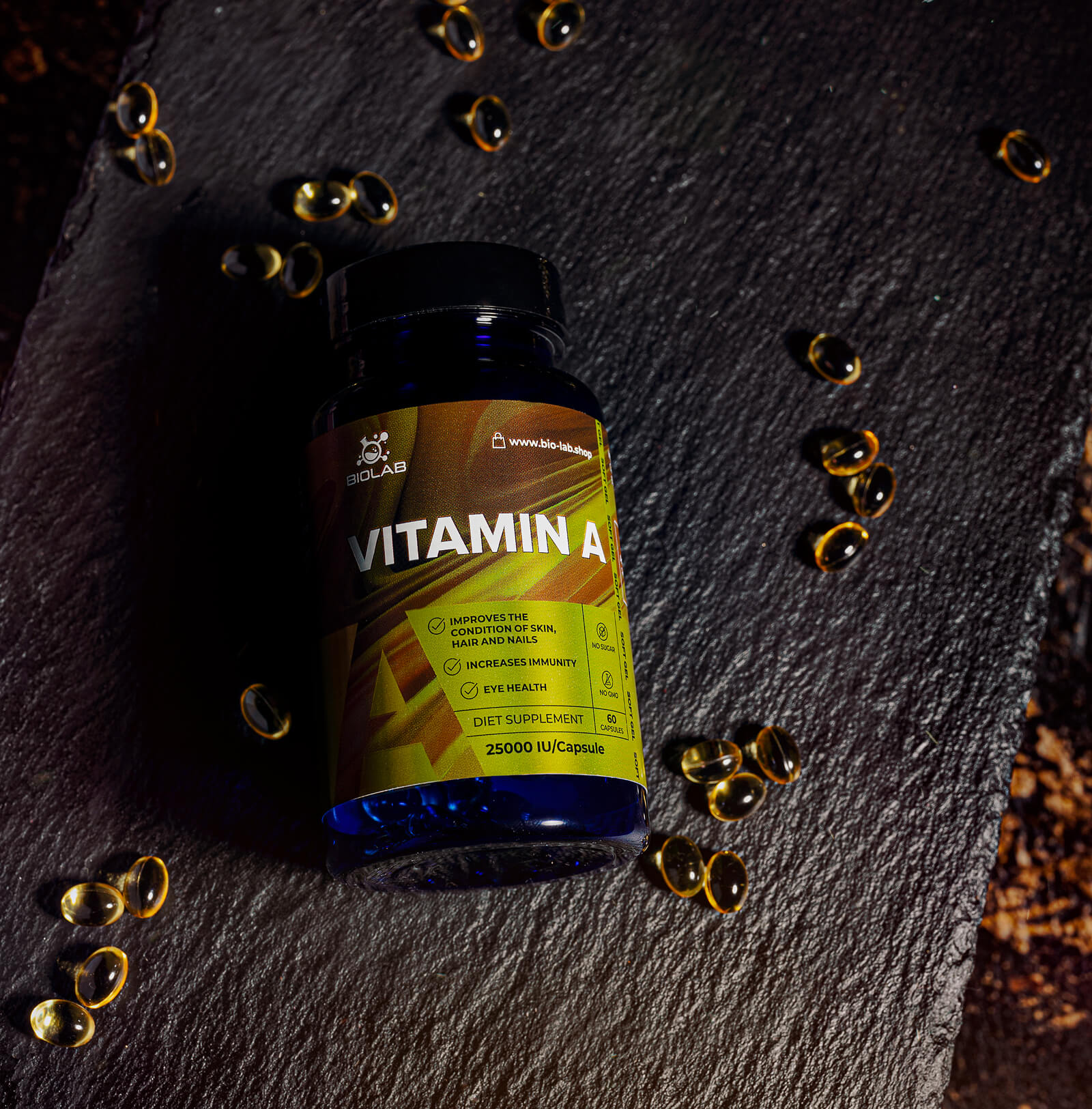
The mutual harmony of vitamins ADEK is extremely important for health. Vitamin K, an important component in the synthesis of proteins responsible for blood clotting, interacts with vitamin D in the regulation of calcium metabolism. Together, they support the maintenance of healthy bones, which is crucial for the body's overall fitness. The synergy of vitamin K with vitamin D helps maintain calcium balance in the body and may contribute to the reduction of allergic reactions by stabilising mast cells and limiting their overactivity.
The Power of Omega-3 Acids
Omega-3 fatty acids, found mainly in fish, flaxseeds and walnuts, have a significant impact on the regulation of the immune response and inflammatory processes.
- Acting as precursors for eicosanoids, omega-3s can also influence the synthesis of prostaglandins and leukotrienes, which in turn affects the activity of mast cells.
Increasing the intake of omega-3 acids can lead to a reduction in the production of pro-inflammatory prostaglandins, and thus a reduction in histamine release from mast cells, which may be beneficial in the context of allergies. Furthermore, omega-3s modulate the expression of cyclooxygenase (COX-2), which is crucial for balancing the inflammatory response and reducing hyperreactivity to allergens. Numerous studies suggest that supplementation with omega-3 acids can help alleviate allergy symptoms and increase overall tolerance to allergens by affecting the regulatory mechanisms of the immune system.
The Soothing Properties of Vitamin C
Vitamin C, known for its antioxidant properties, plays a key role in modulating the immune response and alleviating allergy symptoms. Research suggests that vitamin C can reduce histamine production, resulting in weaker allergic reactions. It works by stabilising mast cells, reducing their degranulation and histamine release, which is crucial in allergic reactions.
- Vitamin C supports the function of leukocytes, which translates into an increase in the body's overall immunity.
Studies have shown that vitamin C supplementation can alleviate the symptoms of asthma and other allergic reactions, making it a potential support in allergy therapy.
The Power of B Vitamins
B vitamins, especially B2, B6 and B9, are necessary for the proper synthesis of DNA and RNA, as well as for histamine metabolism.
- An adequate concentration of B vitamins supports the breakdown of histamine by the enzyme monoamine oxidase (MAO) and other detoxification enzymes.
Research suggests that supplementation with a B vitamin complex may support the regulation of the immune response in the context of allergies.
.jpg)
Pantethine is the most biologically active form of vitamin B5 and deserves special mention. It may support the immune response through the modulation of alpha-MSH (alpha-melanotropin). This interaction influences the regulation of inflammation and histamine production, making pantethine relevant in allergy therapy.
Colostrum, Lactoferrin and Immunoglobulins – For Strengthening the Body
Colostrum is the first milk produced by mammals after birth, rich in immunoglobulins, lactoferrin and growth factors. Immunoglobulins, particularly IgA, play a key role in protecting the mucous membranes of the gastrointestinal tract, which influences the modulation of the immune response and the reduction of allergy symptoms.
Scientific research indicates that colostrum supplementation can improve the body's tolerance to allergens, which translates into a reduction in histamine reactions. Studies show that when lactoferrin transports iron into cells, it makes iron less available to microorganisms, leading to a reduction in their proliferation and the limitation of inflammation. This mechanism is particularly important in the context of allergies, where an excessive immune response can lead to the release of histamine.
ATP Energy is an Immune Shield
NAD+ (nicotinamide adenine dinucleotide) is a key coenzyme involved in many metabolic processes, including ATP energy production and protection against oxidative stress.
- Low NAD+ levels are associated with reduced antioxidant capacity and immune function, which can lead to the worsening of allergic reactions.
NAD+ supplementation may support histamine detoxification and strengthen the immune system through glutathione transformations. Magnesium is essential for ATP production and regulates many biochemical processes. Its deficiency can lead to increased sensitivity to histamine and a weakened immune response. Magnesium supplementation supports the healthy functioning of the nervous system and reduces allergy symptoms.
Bifido Guard Max – Because the Gut is the Key to Excellent Immunity
Bifido Guard Max is a blend of bifidobacteria that support gut health and the regulation of the immune system. Research suggests that probiotics can limit inflammation and regulate histamine metabolism by supporting the integrity of the intestinal barrier, which prevents the absorption of histamine.
.jpg)
Effective Complement to the Fight Against Allergies: Antioxidant Support
Fisetin is another flavonoid that exhibits anti-inflammatory and antioxidant effects. Studies have shown that fisetin acts by inhibiting the NF-κB pathway and reducing histamine production from mast cells. Fisetin's antioxidant activity also influences the regulation of oxidative stress, which is important in the context of allergies and inflammation.
Resveratrol is a polyphenol with antioxidant and anti-inflammatory effects. Its action is based on the modulation of the AMPK pathway, which plays a key role in the regulation of energy metabolism. Resveratrol reduces the production of pro-inflammatory cytokines, which can alleviate allergy symptoms. Additionally, resveratrol supports the protection of cells against oxidative stress, which has a beneficial effect on the immune system.
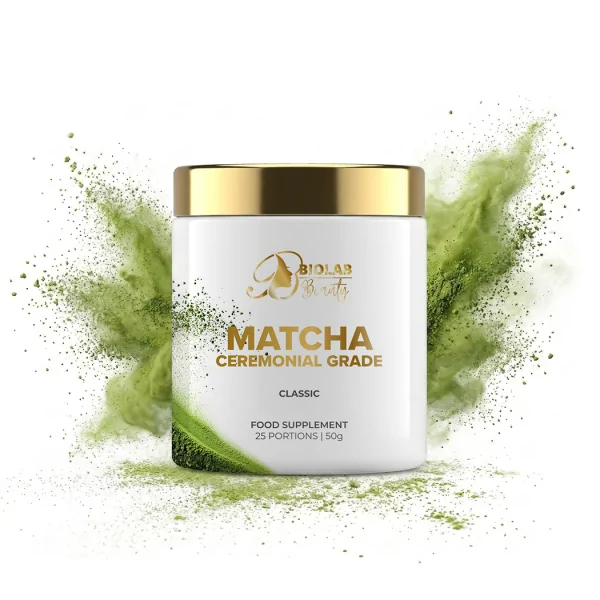
Matcha, a form of green tea, is rich in polyphenols, including EGCG, which have antioxidant effects. Matcha supplementation shows potential in reducing allergy symptoms due to its inhibitory effect on histamine release and regulation of the immune response, which reduces inflammation.
EGCG is a catechin that exhibits strong antioxidant and anti-inflammatory properties. Research suggests that EGCG can block the release of histamine and cytokines from mast cells by inhibiting the H1 receptor. The action of EGCG is supported by the activation of detoxification enzymes, which may support the immune response and reduce allergic reactions.
NAC (N-acetylcysteine) is a precursor to glutathione, a powerful antioxidant. It helps in the detoxification of histamine and the reduction of allergic reactions by increasing the production of glutathione, which supports the body's natural defence mechanisms. Glutamine supports intestinal integrity, and glycine acts as a neurotransmitter, supporting the body's immune capabilities.
Summary
Allergy season does not have to mean a struggle, but can mean conscious support. It is important to understand what works for your specific type of allergic reaction. The gut, mucous membranes, ATP energy levels and immune balance form a system that either reacts calmly to an allergen or triggers an excessive response.
Scientific research:
R. J. G. de Silva et al., "The role of quercetin in allergy and asthma management," PubMed Central, 2023.
D. C. et al., "Vitamin D and its role in allergic diseases," PubMed Central, 2023.
G. T. et al., "Vitamins A and E: Essential nutrients in immune function," NCBI, 2023.
M. O. et al., "Calcium: A nutritional component in the regulation of inflammation," NCBI, 2023.
Calder, P. C. (2013). "Omega-3 fatty acids and inflammatory processes: from molecules to man." Biochimica et Biophysica Acta (BBA) - Molecular and Cell Biology of Lipids, 1861(6), 872-884. PubMed
Verduci, E., & Bianchi, M. (2016). "The Role of Omega-3 Fatty Acids in the Prevention and Management of Allergic Disorders." Nutrients, 8(6), 353. PubMed
O’Reilly, J. A., & Jagoe, R. T. (2021). "Dietary omega-3 fatty acids and allergic disease: a systematic review." Clinical and Experimental Allergy, 51(11), 1453-1467.
F. A. et al., "Omega-3 fatty acids: Role in the immune system," PubMed Central, 2023.
H. Y. T. et al., "Role of B vitamins in immune function," PubMed Central, 2023.
J. R. P. et al., "Ascorbic acid: A multi-faceted nutrient against inflammation," NCBI, 2023
J. B. V. E. L. M. J. J. P., et al. (2017). "The effects of vitamin C supplementation on immune function: a systematic review." Nutrients, 9(10), 1134. PubMed
Carr, A. C., & Maggini, S. (2017). "Vitamin C and immune function." Nutrients, 9(11), 1211. PubMed
Hemilä, H. (1992). "Vitamin C and the common cold: a randomized trial of vitamin C supplementation for the prevention of the common cold." PubMed Central (PMC). NCBI
C. A. P. P. R. H. J., et al. (2014). "Vitamin C consumption and risk of asthma in adults." Clinical Reviews in Allergy & Immunology, 47(3), 138-146.
T. J. H. A. K. Y. A. H. K., et al. (2015). "The role of lactoferrin in the immune response: implications for health and disease." Nutrients, 7(10), 8255-8270. PubMed
Elass, E., et al. (2016). "Lactoferrin: A Biological Weapon against Infection and Inflammation." Frontiers in Immunology, 7, 38. PubMed
K. K. K. K. M., et al. (2019). "Effects of colostrum supplementation on immune function and gut health: A systematic review." Nutrients, 11(2), 428. PubMed
J. J. A. P. K., et al. (2020). "Lactoferrin supplementation in the treatment of COVID-19: A systematic review." Nutrients, 12(9), 2841. PubMed
Weiner, J., et al. (2018). "Immunoglobulins in colostrum and their role in neonatal immunity." Journal of Immunology Research, 2018, Article ID 2940536.
R. J. S. et al., "M magnesium: A role in histamine metabolism and immune response," NCBI, 2023.
R. A. et al., "NAC and its role in enhancing immune function," PubMed Central, 2023.
A. D. et al., "Probiotics and their role in allergic diseases," PubMed Central, 2023.
P. M. Khan et al., "Fisetin: A multi-faceted bioactive compound," PubMed Central, 2023.
S. S. S. A. R. Arup et al., "Resveratrol: a potent anti-inflammatory agent in allergic diseases," NCBI, 2022.
K. Y. M. et al., "Matcha green tea: Health benefits and safety," PubMed Central, 2023.
C. Z. P. et al., "The anti-allergic activity of EGCG: An overview," NCBI, 2023.
Posted in: TipsFrom the very beginning of her cooperation with Biolabshop, Aleksandra Duba has combined professionalism with deep scientific commitment. In the past, she was a physique sports competitor, and her achievements include, among others, an Overall victory at the Olympia Amateur in Italy, which opened her way to the IFBB PRO professional league, as well as a 2nd place at the Arnold Sports Festival in Great Britain and the Polish Championship in 2022.
Her passion for sport and a healthy lifestyle has lasted over ten years. During this time, she systematically and consistently expanded her competencies in the field of dietetics, training, biohacking, and functional medicine, focusing on the practical application of scientific discoveries. Her core interests include the prevention of metabolic and hormonal diseases, anti-aging, and healthspan—the pursuit of maintaining a high quality of life and vitality in the long run.
[readmore]
What does Aleksandra do?
As part of the cooperation, she co-creates the brand's offer and systematically develops scientific competencies, sharing knowledge on her social media profile. She publishes content showing a unique approach to biological issues and materials tailored to audiences with diverse levels of expertise. She also considers the latest scientific reports on products currently in laboratory research phases, including peptides. She encourages the exploration of both basic and advanced aspects of supplementation.
Why is it worth following her progress?
From the perspective of her commitment to a personalized approach, she strives to maximize effects, placing particular emphasis on the holistic nature of well-being. The physical and mental spheres interact in synergy, which opens up infinite possibilities for development and self-improvement.
Choose proven solutions:
Related posts
-
 Which supplements for weight loss - what's the best choice?
Posted in: Tips07/12/2023Weight loss is a process whose effectiveness depends on the calorie deficit developed. The most important issue is...Read more
Which supplements for weight loss - what's the best choice?
Posted in: Tips07/12/2023Weight loss is a process whose effectiveness depends on the calorie deficit developed. The most important issue is...Read more -
 Which gym supplements to choose? - beginners guide
Posted in: Tips07/12/2023First visits to the gym are a time when our motivation is at a really high level. The vision of a sculpted physique...Read more
Which gym supplements to choose? - beginners guide
Posted in: Tips07/12/2023First visits to the gym are a time when our motivation is at a really high level. The vision of a sculpted physique...Read more -
 How do joint supplements work and when should you take them?
Posted in: Tips08/25/2023Joint pain is a common problem that affects many people, regardless of age. In many cases, it is caused by overload...Read more
How do joint supplements work and when should you take them?
Posted in: Tips08/25/2023Joint pain is a common problem that affects many people, regardless of age. In many cases, it is caused by overload...Read more -
 What does ashwagandha help with and how does it work?
Posted in: Tips08/25/2023Withania somnifera or Indian ginseng is a medicinal plant from regions of the Indian subcontinent. It is more...Read more
What does ashwagandha help with and how does it work?
Posted in: Tips08/25/2023Withania somnifera or Indian ginseng is a medicinal plant from regions of the Indian subcontinent. It is more...Read more -
 What are fat burners and how do they work?
Posted in: Tips08/25/2023People who want to reduce quickly are looking for various ways to speed up the entire process. One of them are fat...Read more
What are fat burners and how do they work?
Posted in: Tips08/25/2023People who want to reduce quickly are looking for various ways to speed up the entire process. One of them are fat...Read more -
 Why and when is it worth using supplements and nutrients?
Posted in: Tips08/25/2023Supplements, according to their classification, supplement the diet in case of deficiencies of specific ingredients...Read more
Why and when is it worth using supplements and nutrients?
Posted in: Tips08/25/2023Supplements, according to their classification, supplement the diet in case of deficiencies of specific ingredients...Read more -
 Are fat burners safe?
Posted in: Tips08/25/2023Fat burners are supplements that work by accelerating the reduction of fat tissue accumulated in the body. Such...Read more
Are fat burners safe?
Posted in: Tips08/25/2023Fat burners are supplements that work by accelerating the reduction of fat tissue accumulated in the body. Such...Read more -
 AAKG – facts and myths
Posted in: Tips10/26/2023AAKG, or L-arginine alpha-ketoglutarate, is a dietary supplement that is popular among physically active people...Read more
AAKG – facts and myths
Posted in: Tips10/26/2023AAKG, or L-arginine alpha-ketoglutarate, is a dietary supplement that is popular among physically active people...Read more -
 Vitamin D deficiency - symptoms and effects
Posted in: Tips10/26/2023Vitamin D3, known as cholecalciferol, is one of the key ingredients for human health. Despite its importance for our...Read more
Vitamin D deficiency - symptoms and effects
Posted in: Tips10/26/2023Vitamin D3, known as cholecalciferol, is one of the key ingredients for human health. Despite its importance for our...Read more -
 Are you supplementing smart? 10 power combos for daily well-being
Posted in: Tips07/31/2025A supplement capsule can be more than just a dose of health. It can be an impetus for deeper change. But did you know...Read more
Are you supplementing smart? 10 power combos for daily well-being
Posted in: Tips07/31/2025A supplement capsule can be more than just a dose of health. It can be an impetus for deeper change. But did you know...Read more -
 Women’s Supplementation in Focus: Q&A with a Biolab Expert
Posted in: Tips03/02/2026The end of "unisex" supplementation - discover how a woman’s cyclical biology and unique hormonal profile are setting...Read more
Women’s Supplementation in Focus: Q&A with a Biolab Expert
Posted in: Tips03/02/2026The end of "unisex" supplementation - discover how a woman’s cyclical biology and unique hormonal profile are setting...Read more -
 Feeling disappointed with collagen? Avoid these mistakes!
Posted in: Tips05/19/2026Collagen is a unique protein essential for metabolic and mitochondrial abundance. Collagen supplementation can offer...Read more
Feeling disappointed with collagen? Avoid these mistakes!
Posted in: Tips05/19/2026Collagen is a unique protein essential for metabolic and mitochondrial abundance. Collagen supplementation can offer...Read more
Blog navigationExplore topics
Newsletter
Get a discount on your first order
- Cosmetics Cosmetics

Expert in supplementation and innovative health, fitness, and beauty solutions.

Our company
Our company Kontakt
E-mail address
info@biolabshop.eu
E-mail address
office@biolabdxb.com
WhatsApp
+44 739 8562 456
Phone
+97 154 7401 919Dubai, Al Goze First, Office A03, P.O. Box 22382ⓒ 2026 Biolabshop. All rights reserved. - Nootropics Nootropics